
Millwork vs Casework: Differences, Costs & Best Use Cases
Introduction
In construction and interior fit-outs, the terms Millwork vs Casework are often confused. While both involve wood-based fabrication, their purpose, level of customization, and production methods are entirely different.
Understanding the distinction helps architects, contractors, and millwork shops control costs, improve execution, and deliver better results.
What Is Millwork?
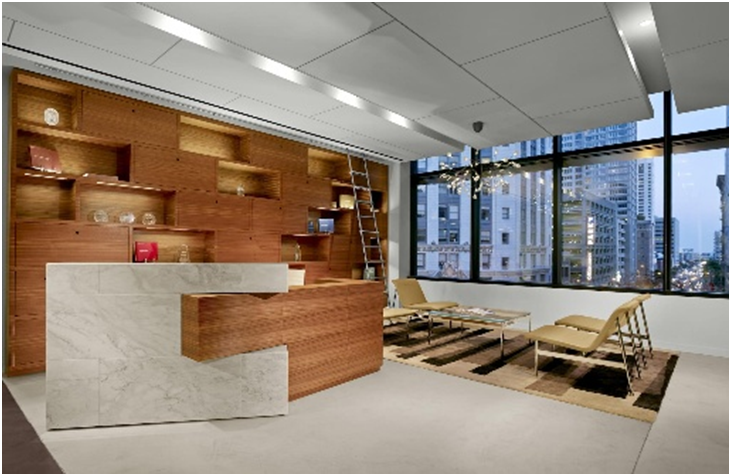
Millwork refers to custom-built woodwork designed and fabricated to meet specific project requirements. Every piece is made-to-order, ensuring a precise fit and a high-end finish.
Common Applications:
Reception desks
Feature walls and panelling
Custom cabinetry
Ceiling details and mouldings
Built-in furniture
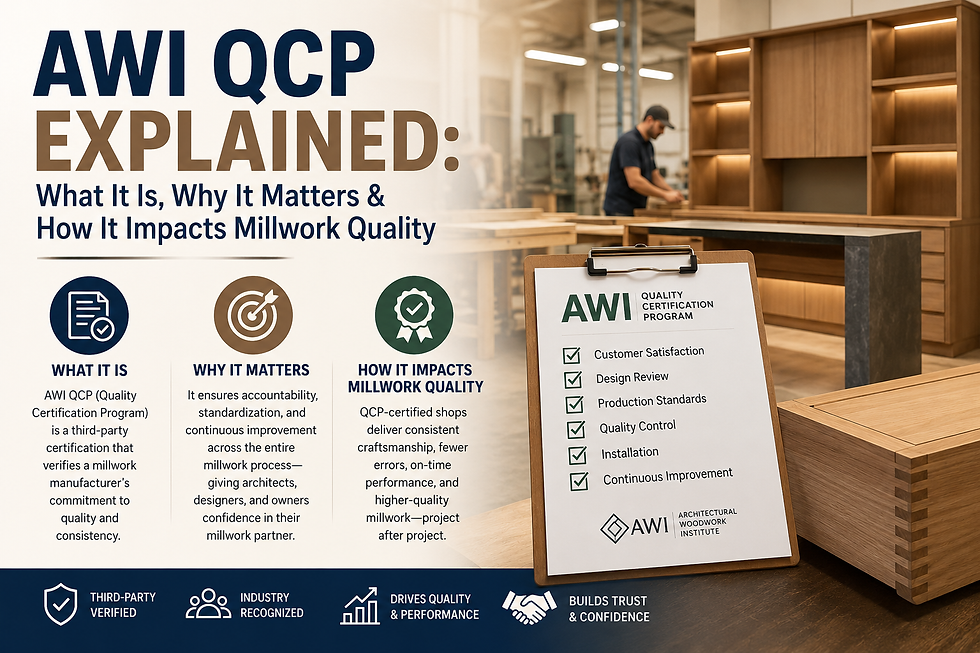
Millwork typically follows industry standards set by organizations like Architectural Woodwork Institute and Architectural Woodwork Manufacturers Association of Canada, especially in North American projects.
Key Benefits:
Complete design flexibility
Premium finishes and detailing
Tailored to site conditions
Ideal for high-end residential and commercial interiors Visual Examples of Millwork


What Is Casework?
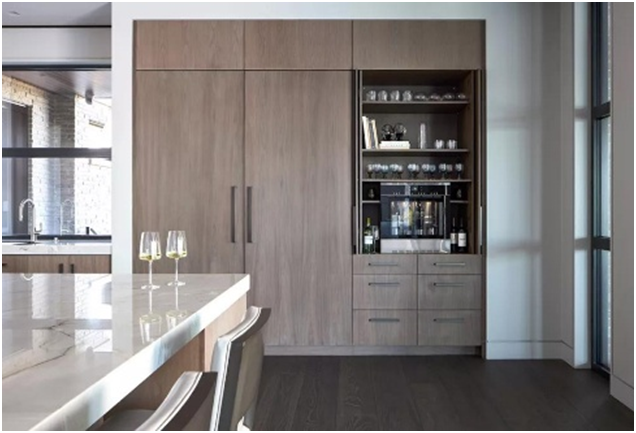
Casework refers to modular or semi-custom cabinetry built using standard sizes and materials. It focuses on function, efficiency, and cost control.
Common Applications:
Kitchen cabinets
Office storage systems
Retail shelving
Institutional cabinetry (schools, hospitals)
Key Benefits:
Cost-effective production
Faster manufacturing and installation
Consistent and repeatable design
Suitable for large-scale projects
Visual Examples of Casework

Millwork vs Casework : Side-by-Side Comparison
Feature | Millwork | Casework |
Customization | Fully custom | Standard / semi-custom |
Manufacturing | Made-to-order | Mass or batch production |
Cost | Higher | More economical |
Installation | Precision-based | Faster and simpler |
Design Complexity | High | Moderate |
Use Case | Feature elements | Functional storage |
Cost Differences: What Should You Expect?
Millwork: Higher cost due to customization, detailing, and labour
Casework: Lower cost due to standardized production
However, millwork delivers long-term value in projects where aesthetics and branding are critical.
When to Choose Millwork
Choose millwork when your project requires:
Unique design or brand identity
High-end finishes and detailing
Custom-fit solutions for irregular spaces
Premium architectural impact
When to Choose Casework
Choose casework when:
Budget and speed are priorities
The layout follows standard dimensions
You need functional and repeatable storage
The project is large-scale or institutional
Why This Matters for Drafting & Submittals
The difference between millwork and casework directly impacts drawing complexity and project coordination.
Millwork Drafting Services require detailed modelling, joinery, and hardware integration
Casework Shop Drawings are more standardized and repetitive
Accurate Millwork Shop Drawings and Millwork Submittals are essential to avoid fabrication errors and ensure smooth installation especially for projects aligned with AWI and AWMAC standards.
For companies offering North America Millwork Drafting Services, this distinction is critical for delivering precise, approval-ready documentation.
Conclusion
Millwork and casework serve different purposes but are equally important in construction projects.
Millwork delivers customization, craftsmanship, and visual impact
Casework offers efficiency, consistency, and cost control
Choosing the right approach depends on your project goals, timeline, and budget.
Looking for Expert Drafting Support?
If your project involves detailed custom elements, having the right drafting partner makes all the difference.
We specialize in:
Millwork Drafting Services
Shop Drawings & Submittals
Custom Millwork Design
North America standard-compliant documentation
Contact us today to streamline your workflow and eliminate production bottlenecks.


Comments