
How Proper Architectural Millwork Planning Improves Efficiency in the Construction Industry?
Architectural Millwork planning plays an important role in the construction industry by improving accuracy, coordination, and efficiency. It helps architects, contractors, designers, and manufacturers prevent errors, reduce delays, and achieve better project results.
What makes Architectural Millwork planning so important, and how can it help construction professionals overcome common project challenges? Let's take a closer look:-

What Is Architectural Millwork?
Architectural Millwork refers to custom-made woodwork and related interior architectural components designed to meet the specific requirements of a building or space. common examples are:-
Wall Panels and Decorative Features
Doors and Frames
Custom Furniture and Fixtures
Custom Cabinets and Casework
Understanding the Role of Architectural Millwork in the Construction Industry
The construction industry brings together architects, interior designers, general contractors, subcontractors, suppliers, and manufacturers. Each professional has a different responsibility, but all of them work toward completing the same project. Architectural Millwork supports this process by providing customized interior elements that fit the building's design, dimensions, and functional requirements.
Five Ways Proper Architectural Millwork Planning Improves Construction Efficiency:-
1. Reduces Design Errors Before Manufacturing Begins
Early planning helps identify design conflicts before they reach manufacturing. This reduces revisions, material waste, and fitting problems during production.
Verify dimensions, sections, and material thicknesses before approval.
Check hardware clearances and nearby building elements.
2. Prevents Manufacturing and Fabrication Problems
Clear technical details help manufacturers understand how each millwork component should be produced. Proper documentation reduces confusion and interruptions during fabrication.
Include material, hardware, and assembly details in drawings.
Review fabrication requirements before starting production.
3. Reduces Material Waste and Unnecessary Costs
Accurate planning helps teams select suitable materials, confirm dimensions, and avoid unnecessary changes. This supports better material usage and cost management.
Confirm material specifications and availability before ordering.
Review measurements and quantities to avoid waste.
4. Improves Coordination Between Project Teams
Proper planning keeps architects, contractors, designers, and manufacturers aligned throughout the project. Sharing accurate information helps prevent misunderstandings and unnecessary delays.
Share updated drawings and specifications with project teams.
Communicate design changes and approvals on time.
5. Reduces RFIs, Revisions, and Project Delays
Complete and coordinated millwork drawings help answer important technical questions before production. This reduces unnecessary communication gaps and helps teams make decisions faster.
Check drawings for missing dimensions and specifications.
Coordinate materials, finishes, and hardware details before submission.
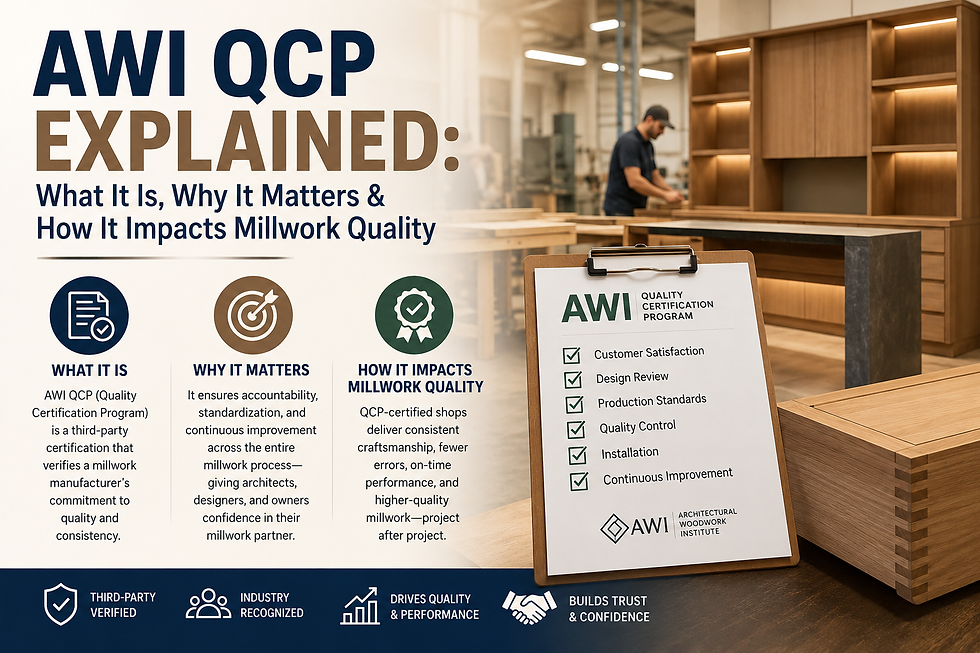
The Importance of AWI Standards in Millwork Projects
AWI standards support quality and consistency in Architectural Millwork by guiding materials, workmanship, detailing, and project documentation:
Check applicable AWI requirements.
Confirm specified grades and materials.
Prepare clear, coordinated shop drawings.
Include samples and product data.
Review workmanship and installation expectations.
Follow project-specific specifications.
Conclusion
Proper Architectural Millwork planning connects design, drafting, manufacturing, and installation into a coordinated process. It helps reduce errors, avoid unnecessary revisions, and improve construction efficiency. At Future Millwork, our millwork drafting services are built on real-world manufacturing knowledge, connecting architectural designs with fabrication and installation requirements. Clear technical documentation and early coordination help architects, contractors, designers, and manufacturers achieve better project outcomes.


Comments